

How to Choose a Downlight
How to choose the right downlights for every space.
What to consider when purchasing a downlight
Downlights offer both general and task lighting, making their positioning essential. Achieve seamless illumination by considering the following:
Design
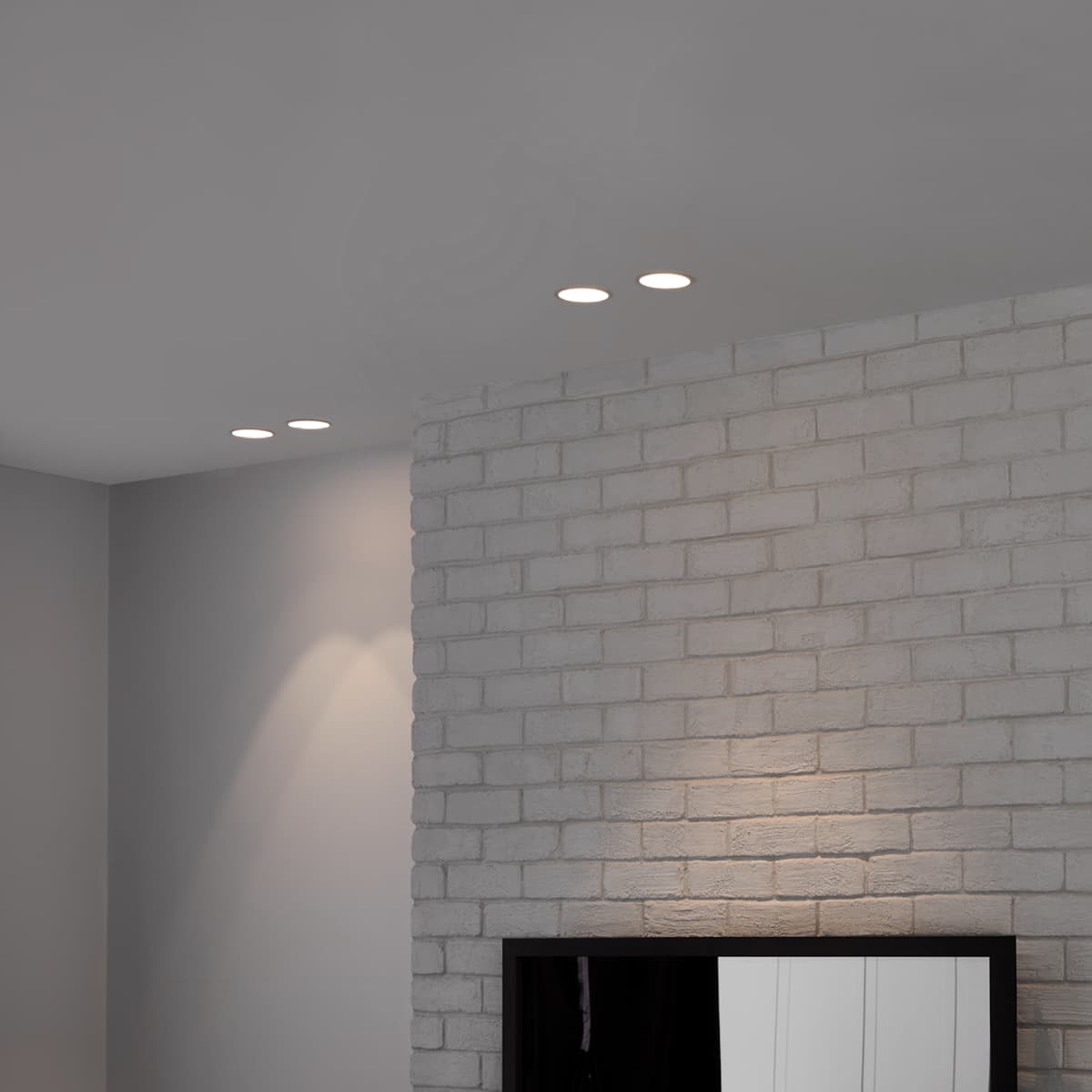
To enhance your space, consider the various design possibilities such as pooling, wall washing, and general illumination.
General Illumination
Choose a wide to very wide beam angle (60 to 180 degrees) for your general lighting downlights. This allows light beams to intersect, ensuring uniform illumination. Positioning downlights close to the wall can make a room feel bigger and brighter than when placed in the middle. Controlled beam angle downlights create a beautiful cascading light effect, and for optimal results, a 300-500mm distance from the wall is recommended. This technique ensures the room is well-illuminated by reflecting light off white flat walls, which perform better than dark textured walls in enhancing the overall brightness.
Pooling
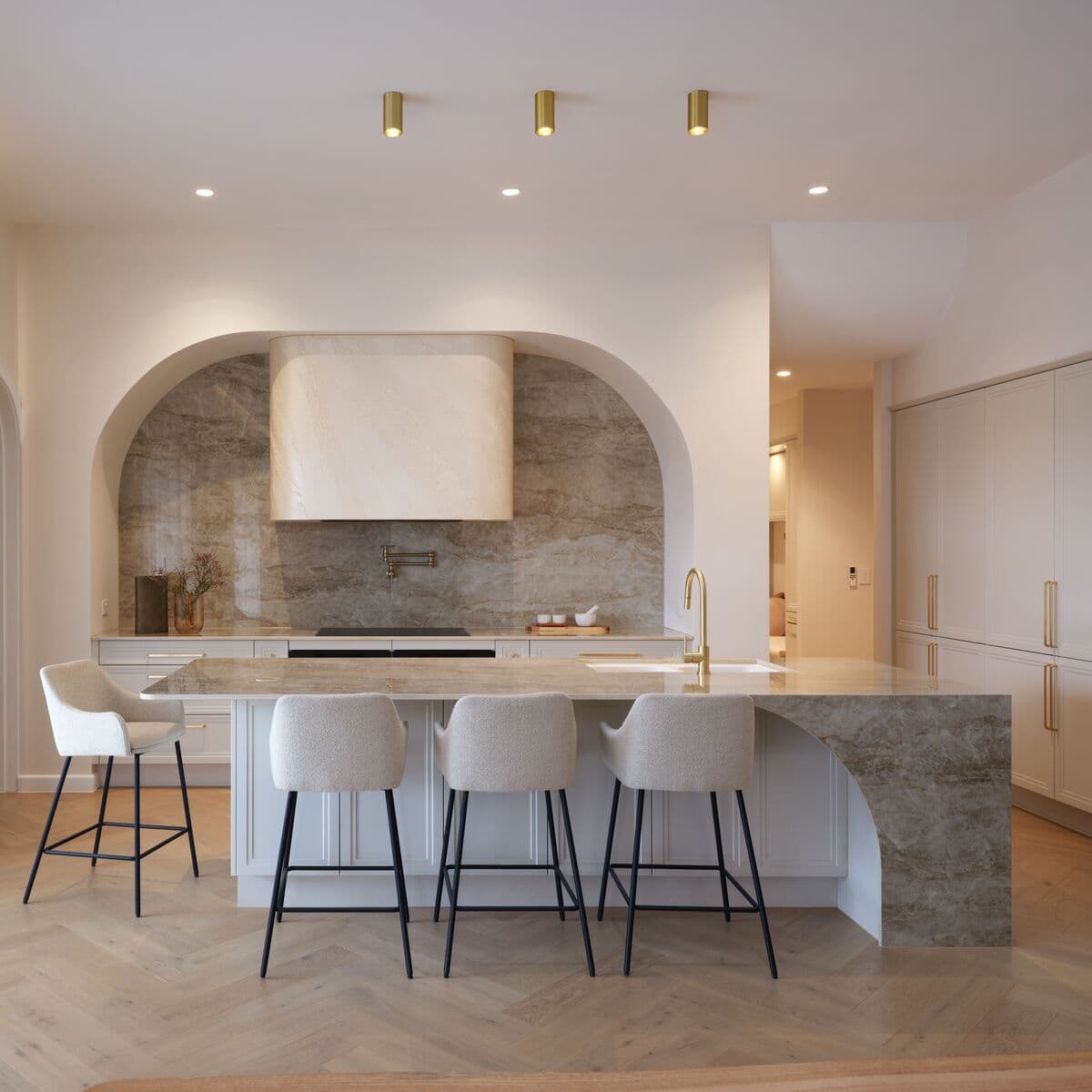
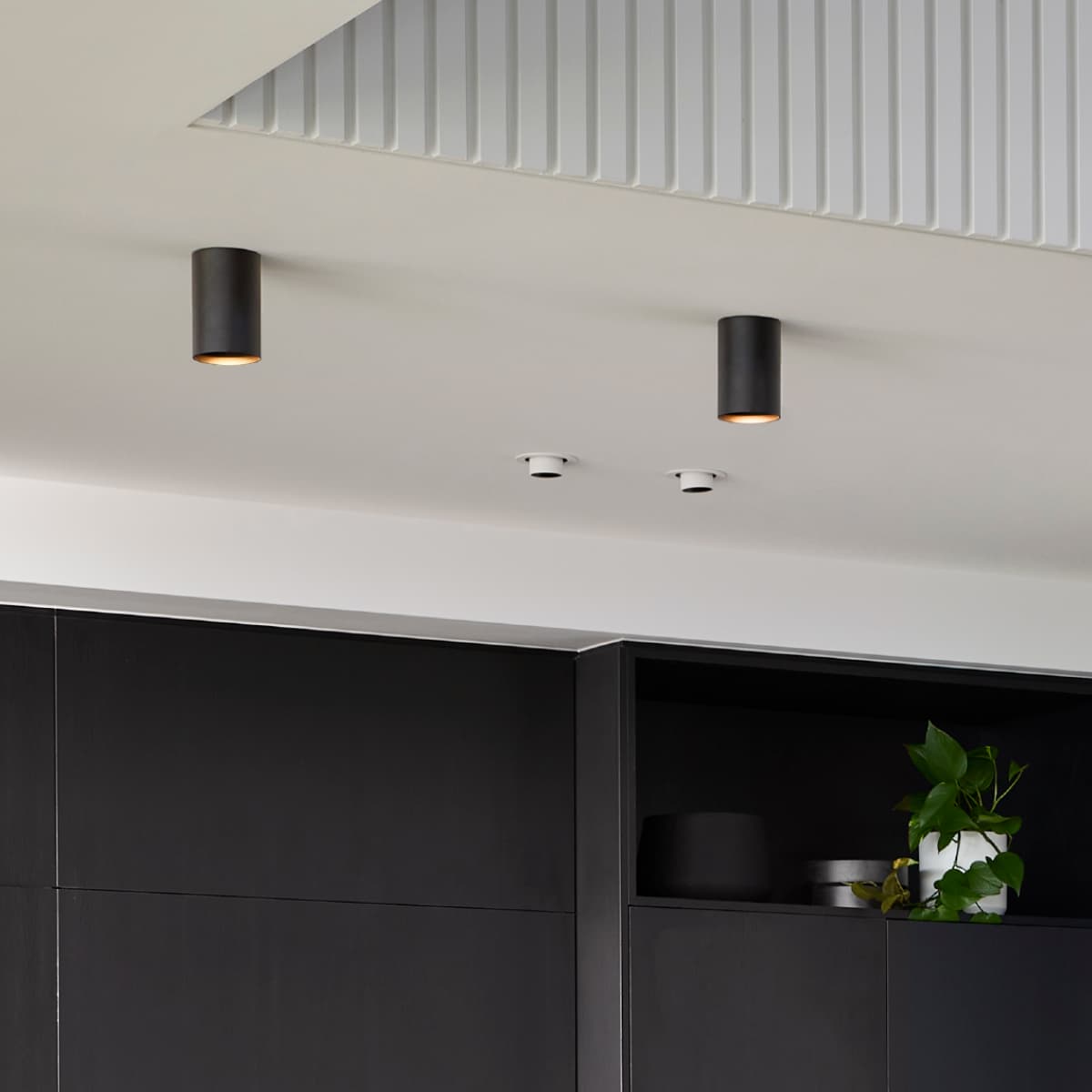
Group 2-3 downlights together, forming a concentrated pool of light. This design approach is particularly effective for task lighting above island benchtops and dining tables. Additionally, it works well in larger spaces, allowing for focused lighting over lounge areas or against walls and curtains. This technique contributes to creating a play of light, dark, and shadow contrast within a room.
Wall Washing
Positioning downlights close to the wall can make a room feel bigger and brighter than when placed in the middle. Controlled beam angle downlights create a beautiful cascading light effect, and for optimal results, a 300-500mm distance from the wall is recommended. This technique ensures the room is well-illuminated by reflecting light off white flat walls, which perform better than dark textured walls in enhancing the overall brightness.
What to Look For In a Downlight
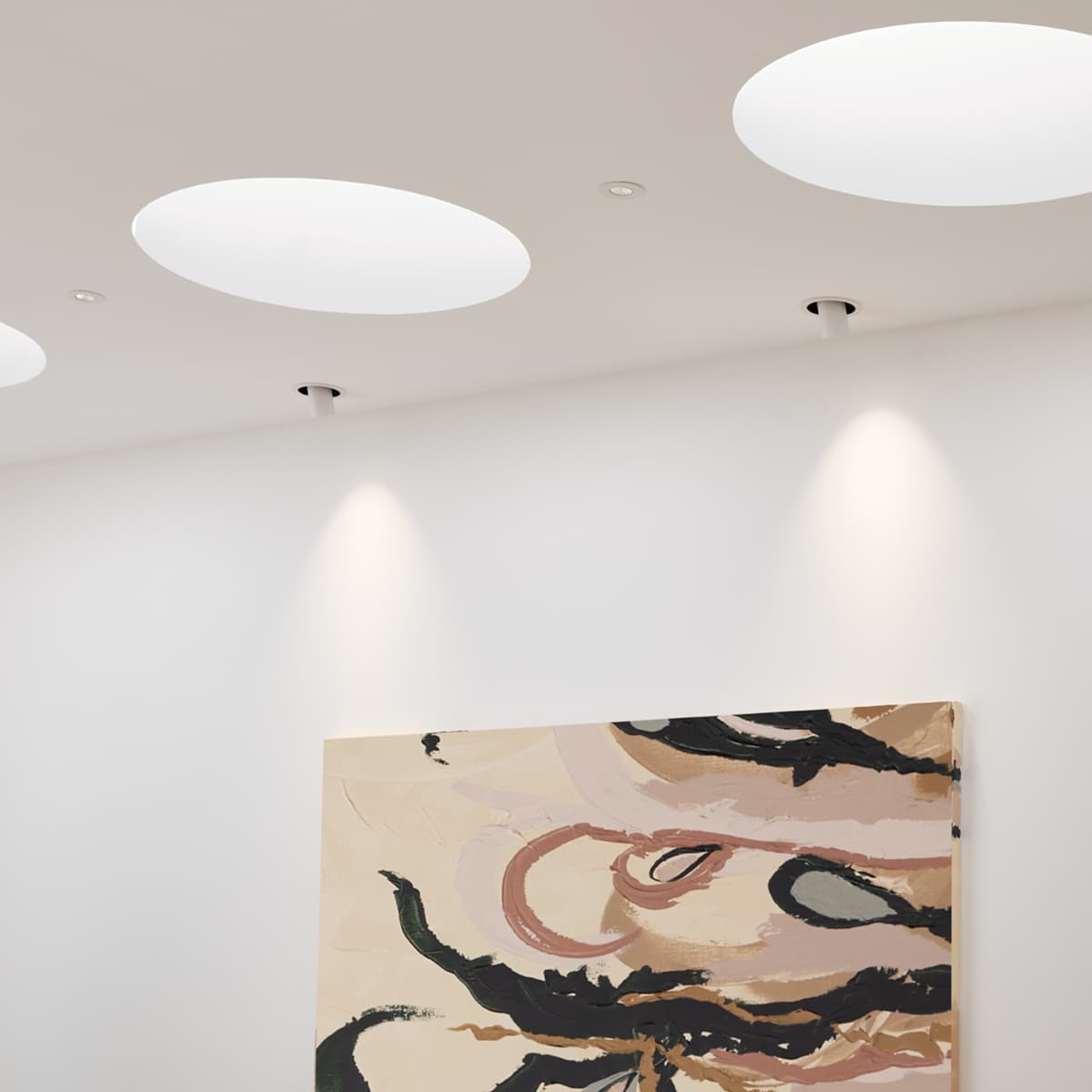
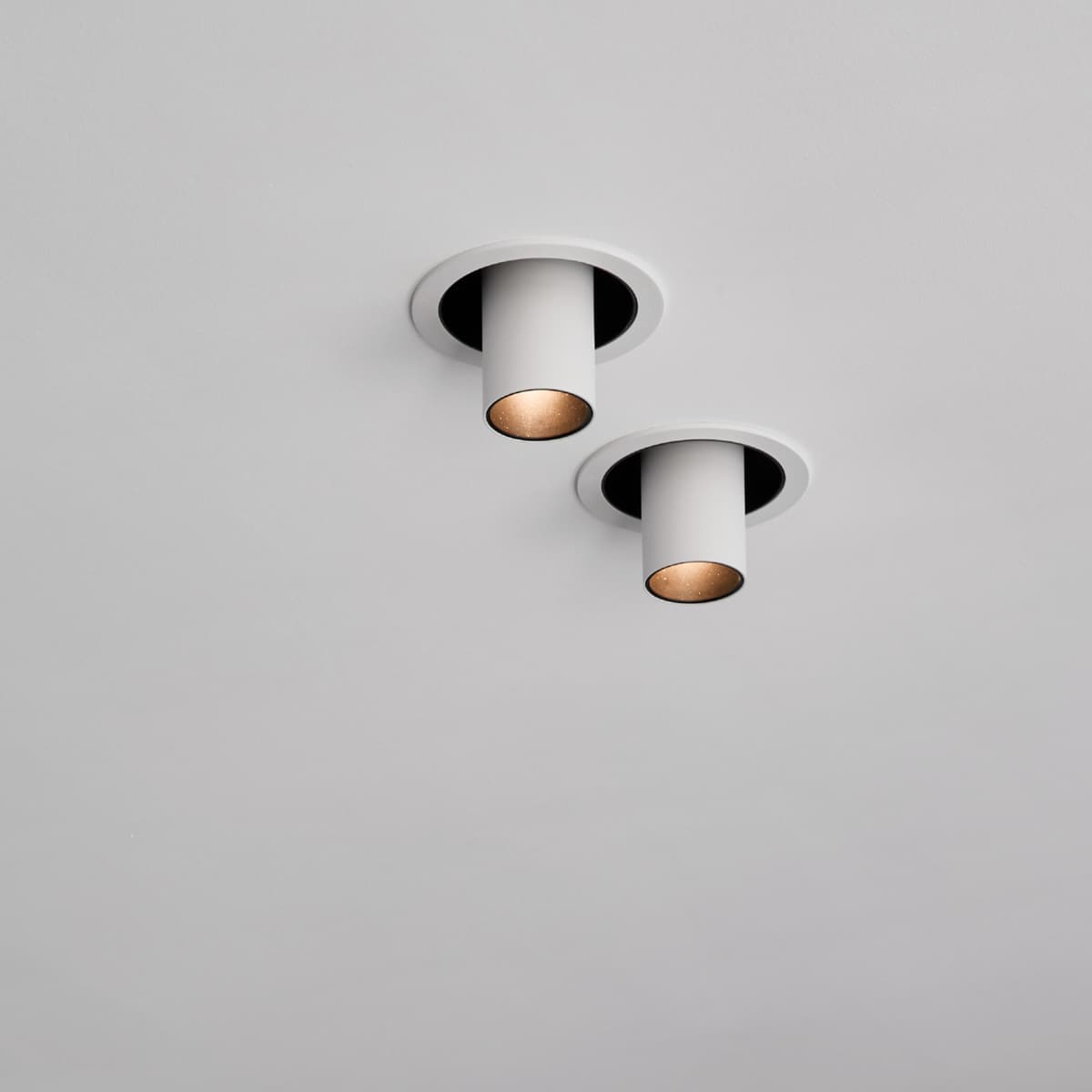
MFL TITAN
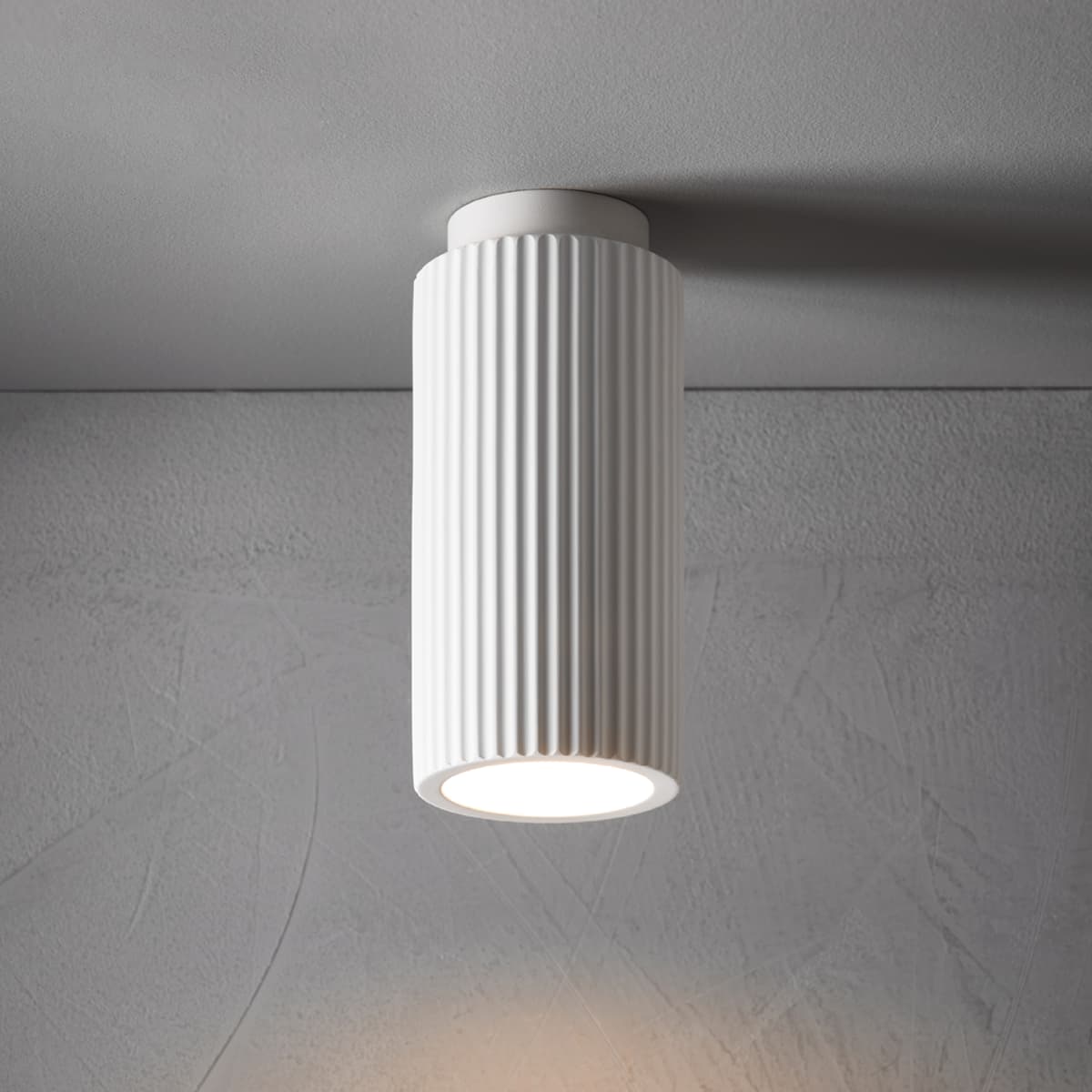
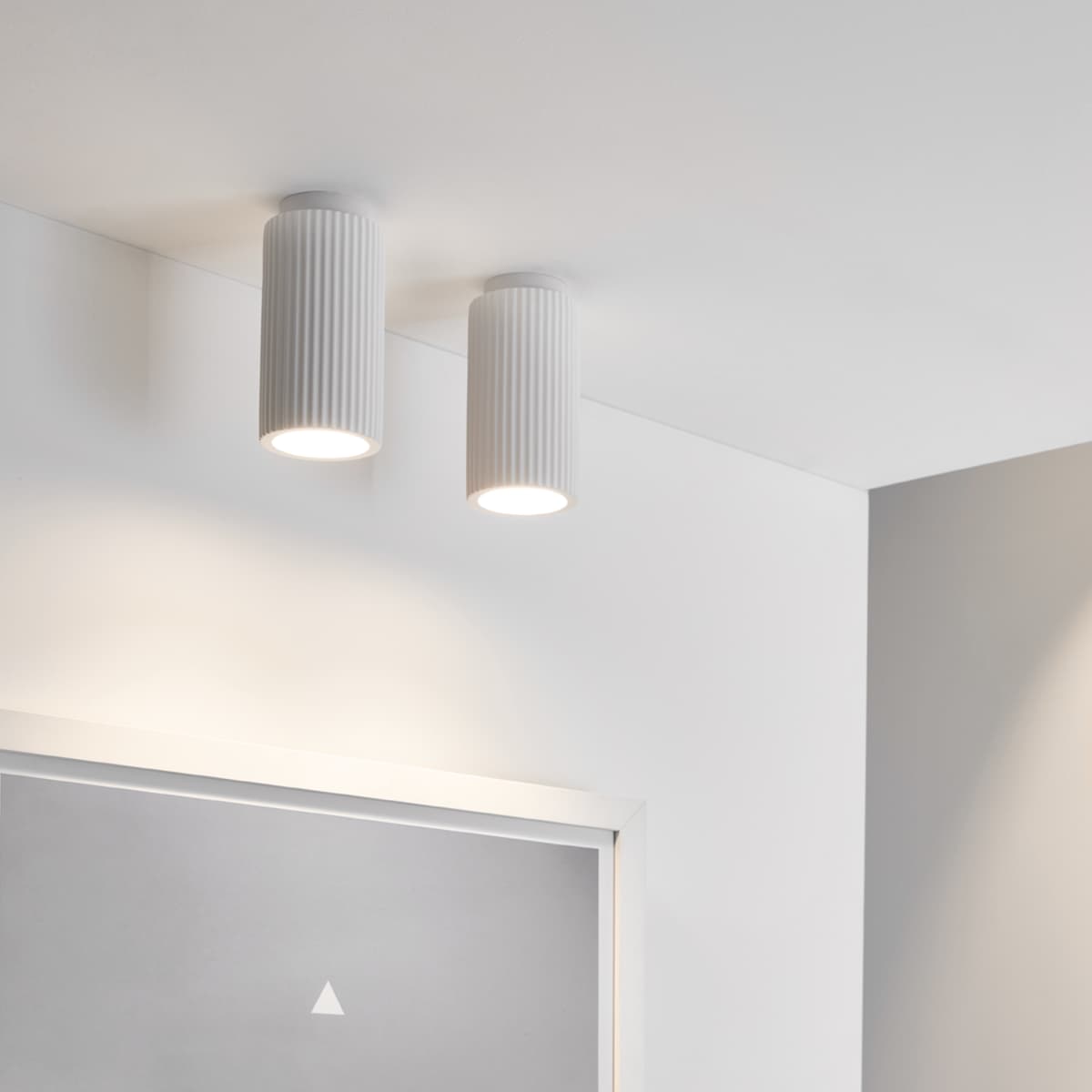
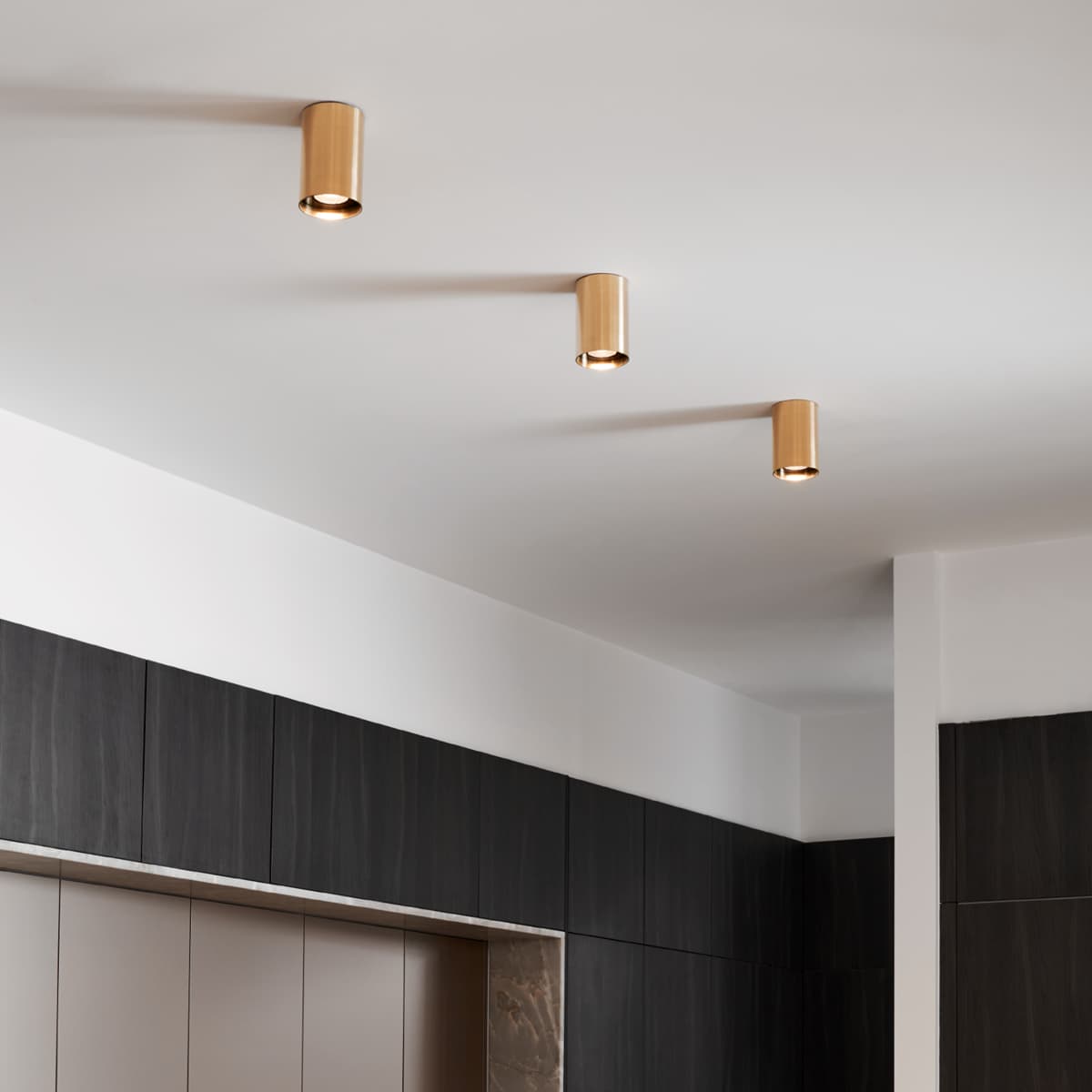
MFL GYPSUM
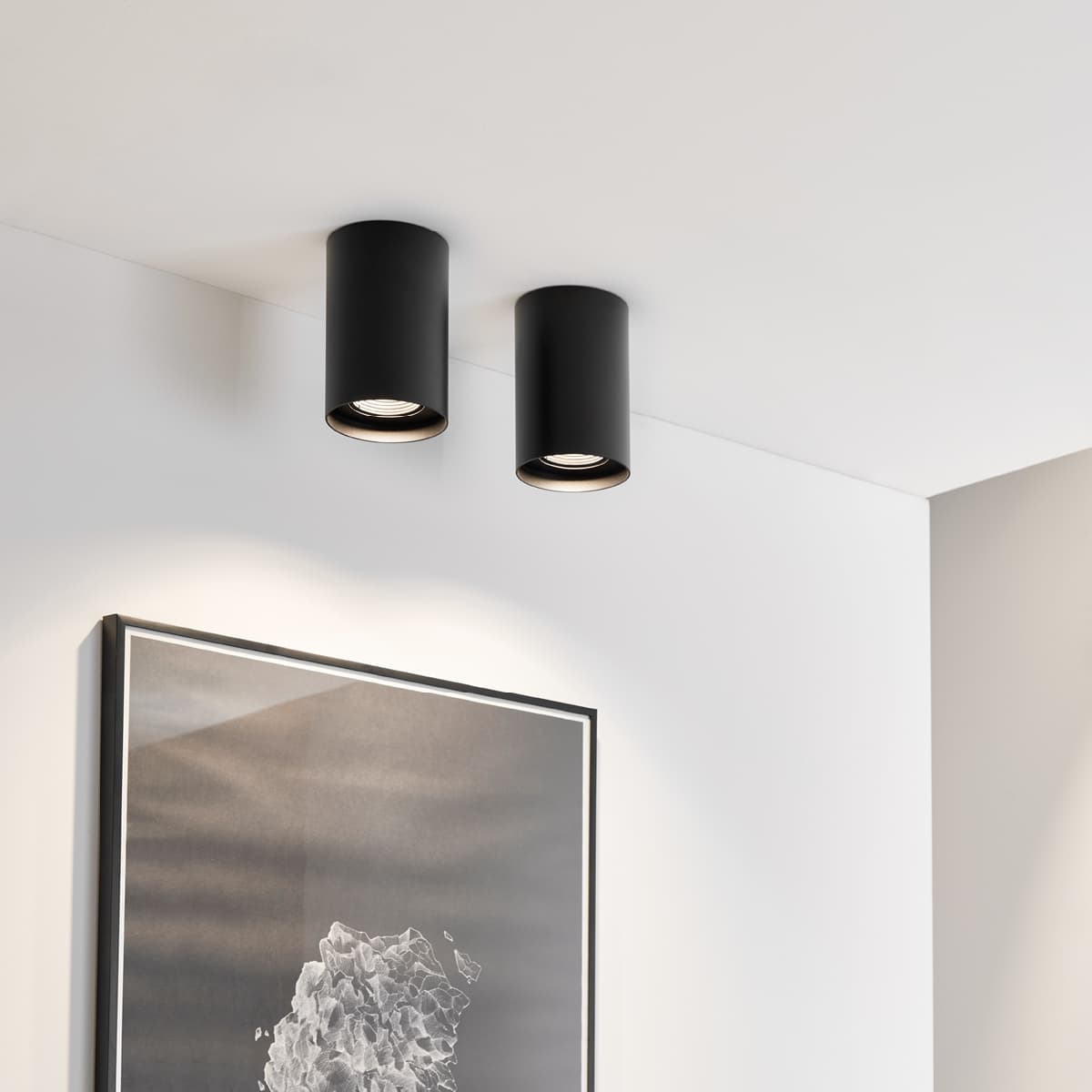
MFL MILA
Colour Rendering Index (CRI)
Choose downlights with a high CRI (90+) to prioritise natural colour rendering. A high Colour Rendering Index ensures that the colours of objects are represented accurately, similar to how they appear under natural light. This enhances the visual appeal of your space. Spaces with low CRI may appear gloomy and dull, with colours appearing washed out and dusty.
Dimmers and Ambience
Create the ideal mood with dimmable downlights. Alternatively, place banks of downlights on separate switches to control lighting and energy usage precisely. Tailoring the ambience to your needs has never been easier. We have a variety of dimmers that are tuned to work without causing flickering.
Flicker-Free: prioritising products with flicker-free technology is crucial for our health. This choice helps reduce eye strain, improves concentration, and minimises issues like headaches and migraines associated with artificial lighting.
Temperature
Choosing the right colour temperature is made simple with tri-colour or colour shifting downlights.
Tri-colour: At the end of the installation use the toggle switch on the downlight to select from daylight, cool white or warm white colour temperatures.
Scene Change at the wall: change the colour temperature of your wall switch to simulate different energy levels for various times of the day.
ISON
CITY III
MFL MILA
MFL TITAN
Low Glare for Comfort
Reduce eye strain and improve visual comfort by selecting low-glare downlights. Harsh brightness can cause distraction, particularly in living areas and work zones. Look for fittings with glare-reducing lenses, recessed light sources or deeper-set LEDs that soften the visible light output. For those sensitive to brightness, COB LED designs are often more suitable than entry-level models, offering better control and a more refined light distribution.
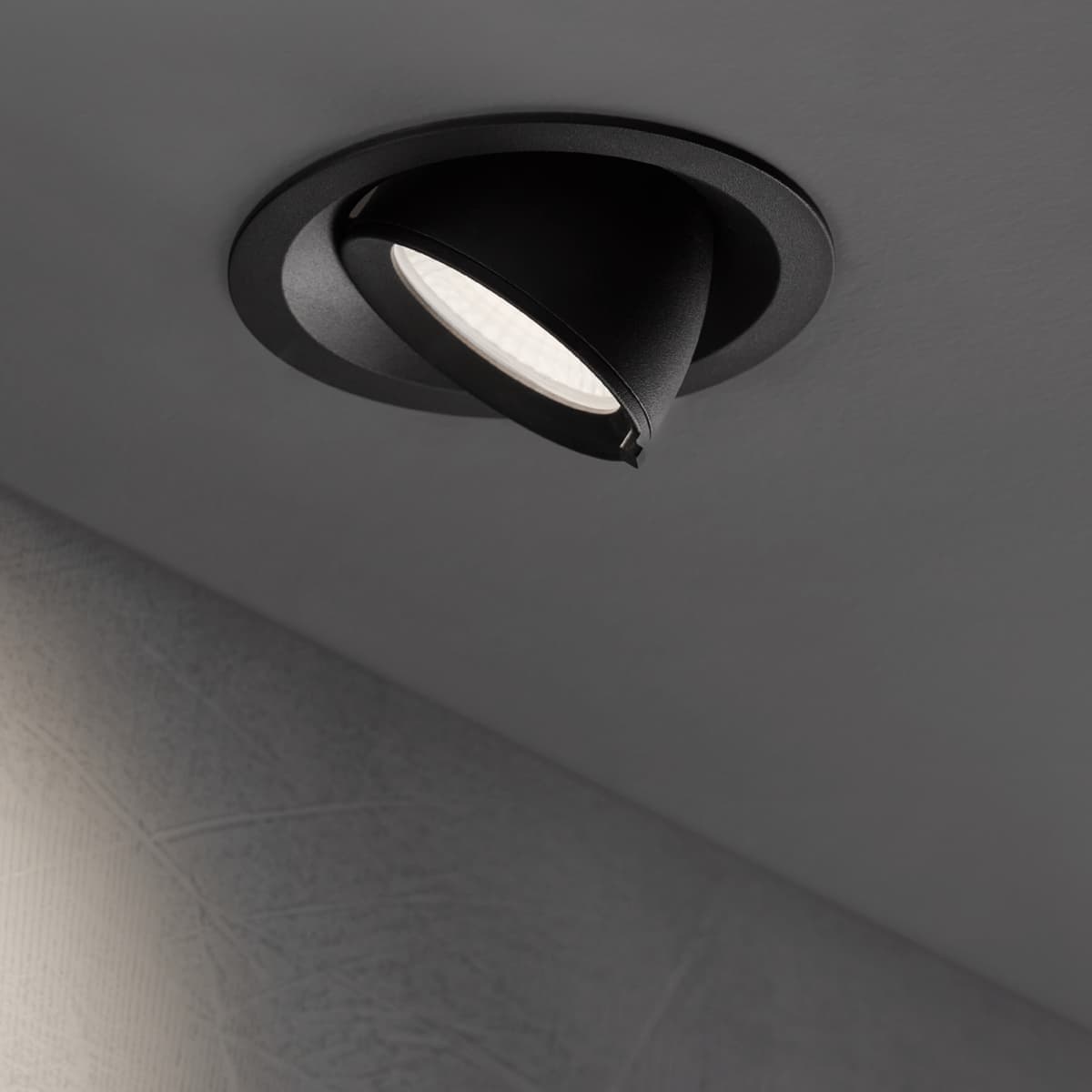
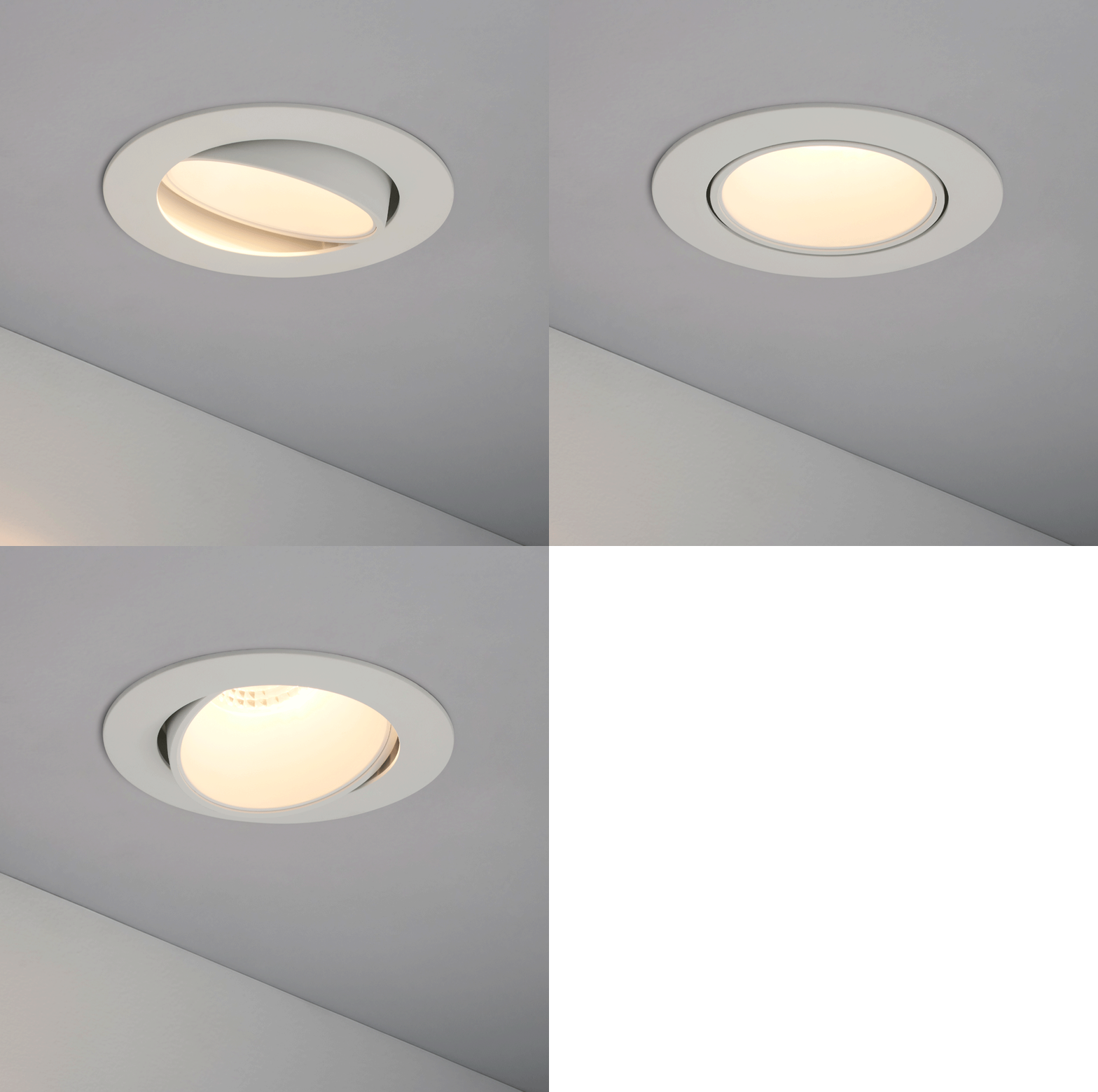
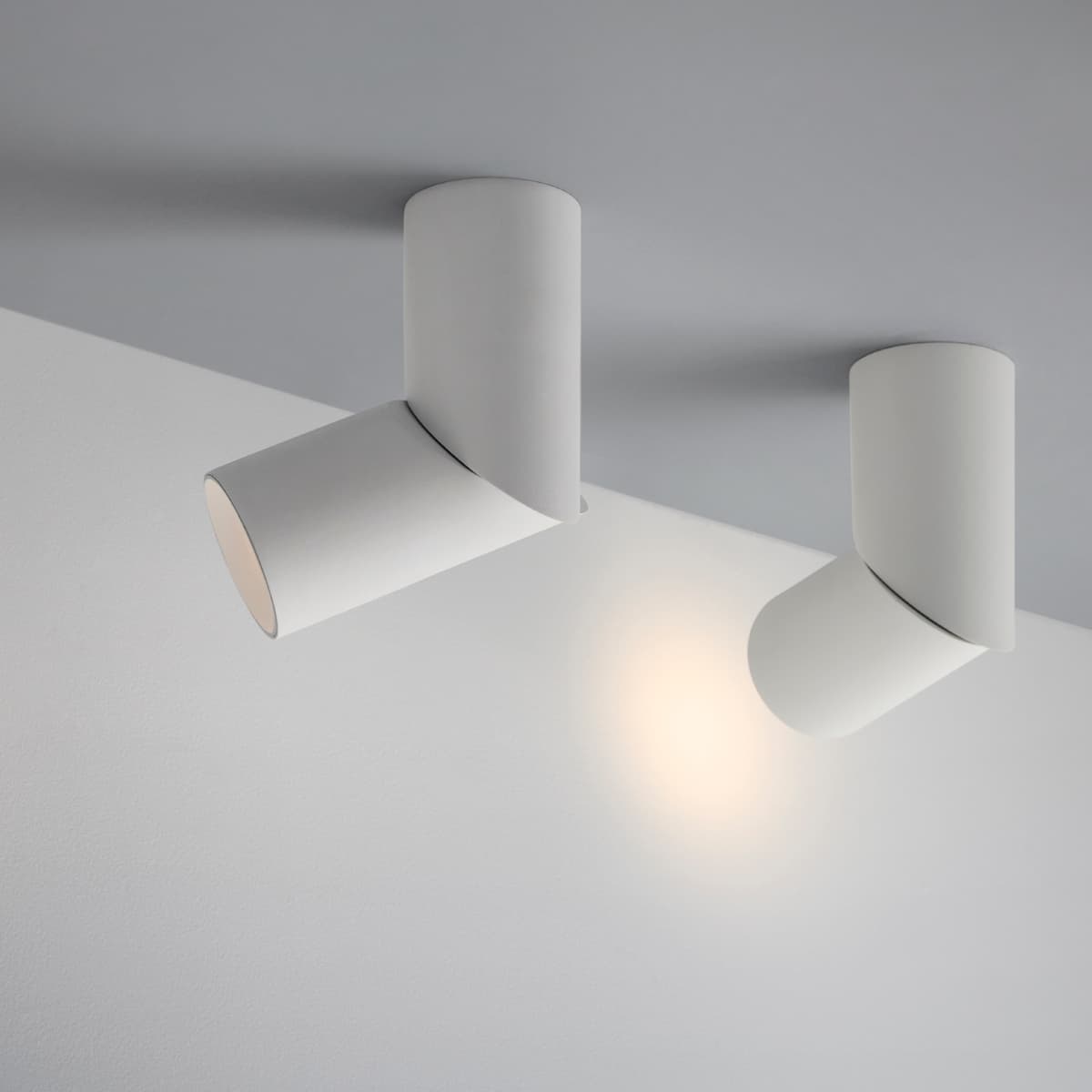
Gimble and Adjustable Downlights
Gimble or adjustable downlights offer flexibility and a more architectural finish. Their pivoting design allows you to direct light toward artwork, joinery or specific task areas. They are particularly useful for angled ceilings or where feature lighting is required. Adjustable downlights work well alongside fixed fittings to add depth and variation within a lighting plan.
Architectural Designs
Architectural downlights combine performance with refined detailing. Designed to sit seamlessly within contemporary interiors, they often feature deeper recesses, cleaner trims and enhanced beam control. Many ranges offer customisation in trim colour, beam angle and light temperature, allowing lighting to be tailored to the space. These fittings suit projects where finish and performance are equally important.
Integrated LED and Insulation
Integrated LED downlights provide energy efficiency, long lifespan and a streamlined profile. Choosing an IC-4 rated fitting ensures it can be safely covered with ceiling insulation without fire risk or thermal loss. This supports both safety and energy performance. LED technology also reduces maintenance while delivering consistent light output over time.
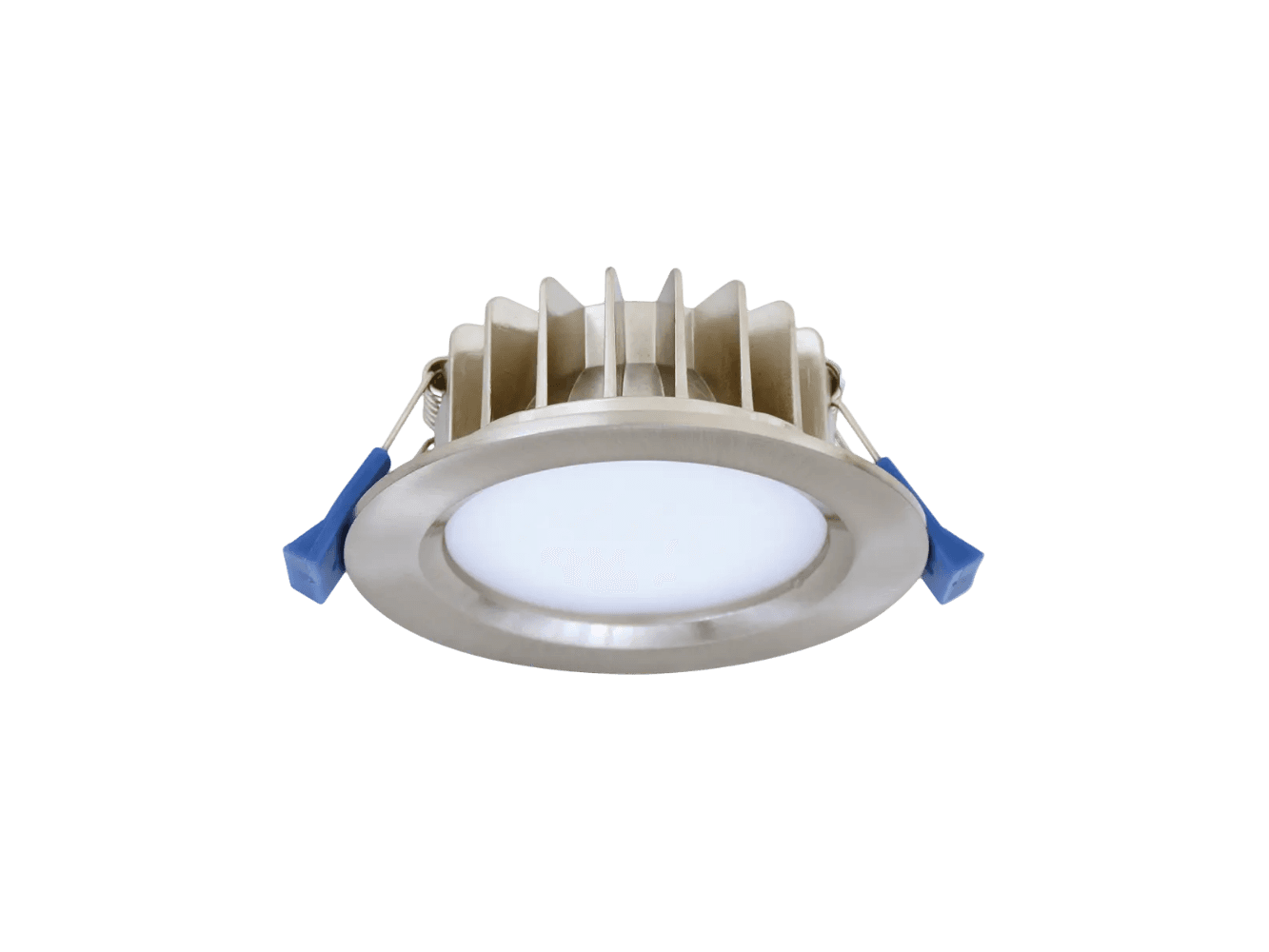
Coastal Protection
If you reside near the coast, safeguard your downlights from harsh conditions with coastal options. These downlights provide durability and resilience against coastal elements. Additionally, we offer IP-rated models for use in wet areas and outside, and our plastic downlights are also great for outdoor use. Talk with your local Beacon Lighting store to discuss your options.
Find Your Downlight:
From everyday essentials to architectural features, the right downlight depends on how you use your space. Whether you’re updating a rental, refining a renovation or specifying for a project, explore the range by performance, durability and design intent.
FLARE GIMBLE
The Everyday
Reliable and budget-friendly. Ranges like Eclipse, Flare and Scope deliver consistent light output for general living areas, bedrooms and hallways. These are dependable options designed for everyday comfort without overcomplicating the lighting plan.
HARLO
The Highlighters
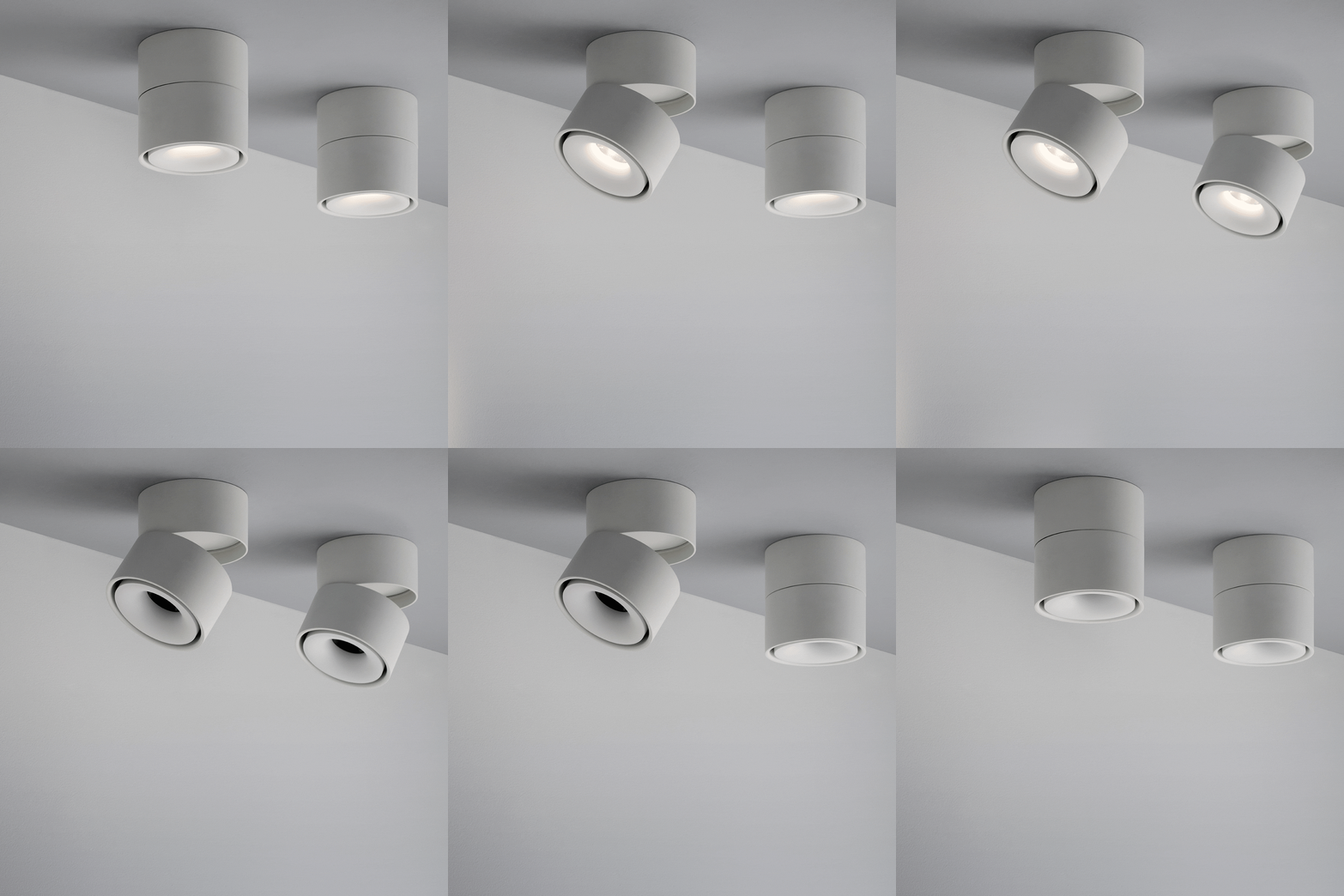
Designed to direct and define, options such as MFL Accent II, MFL Harlo, Crescent and MFL Titan bring focused light to walls and artwork. Ideal for wall washing and feature highlighting, they add depth and dimension beyond standard ambient lighting.
INFINITY MAXI
The Durable
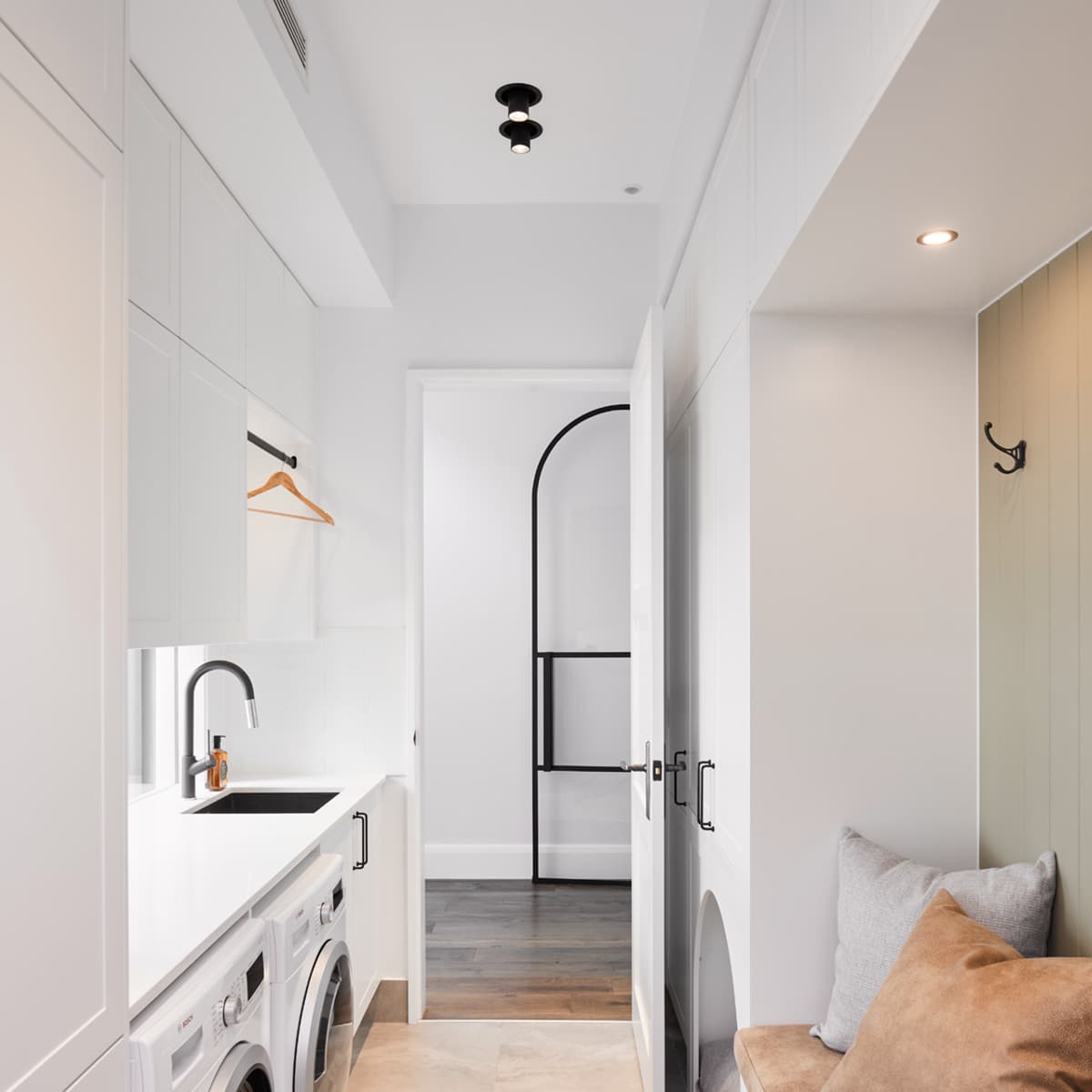
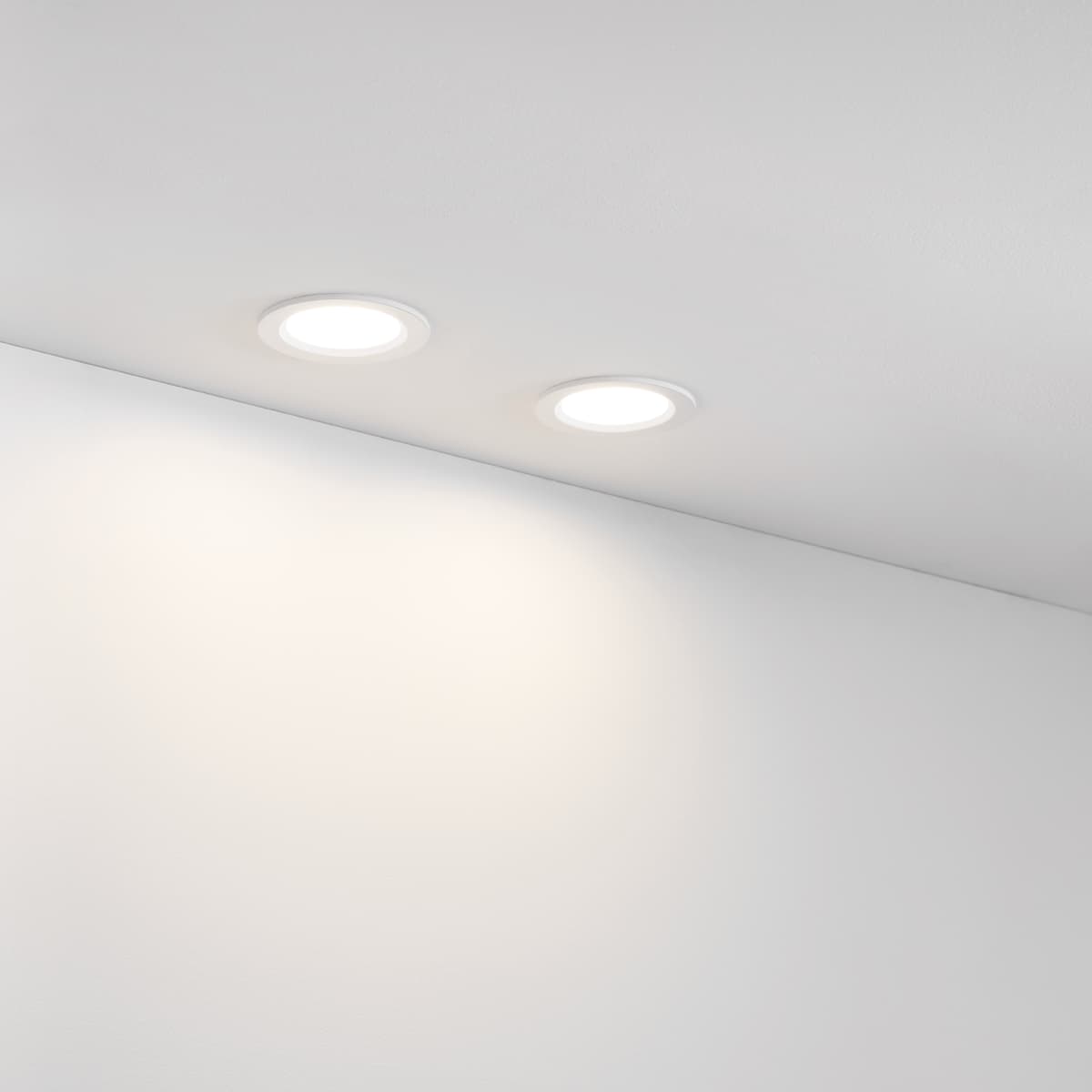
Built for performance in demanding environments, ranges like Ison, Infinity, City III and coastal-rated Tanimi offer dependable durability. With an IP44 rated protection, these are suited to bathrooms, laundries and exposed areas where resilience matters.
MBM EIFFEL
The Designer
For projects where lighting becomes part of the visual statement, explore elevated options like MBM Eiffel, Mila by Masson, Traviato and MFL Gypsum. These designs combine refined finishes and architectural form to impact without compromising performance.
SIGMA
The Adaptable
Flexible and future-focused, ranges including Blaze, Groove, Luton and Sigma feature replaceable globes. This allows easy updates to colour temperature or output over time, making them a practical choice for evolving spaces.
Frequently Asked Questions
Start by thinking about how each room is used rather than choosing one type for the whole house.
Living areas: Wider beam angles and softer light for general comfort.
Kitchens and work zones: Brighter, more focused lighting over benches and preparation areas.
Bedrooms: Warm, low-glare lighting that creates a relaxed atmosphere.
Bathrooms: Moisture-rated fittings designed for wet environments.
Hallways and transitional spaces: Evenly spaced lighting for safe movement.
Using the same colour temperature throughout connected spaces helps maintain visual flow, even if the fitting type changes.
Colour temperature affects how a space feels as much as how it looks.
3000K warm white: The most popular choice for homes, creating a comfortable, welcoming environment.
4000K neutral white: A cleaner appearance suited to kitchens, laundries and task-oriented spaces.
5000K and above: Generally reserved for utility areas or commercial applications where a crisp light is needed.
For most residential settings, staying within the warm-to-neutral range keeps lighting feeling natural and balanced.
The difference comes down to how the LED source is constructed and how the light is distributed.
SMD downlights: Use multiple small diodes to create a wide, even spread of light, making them ideal for general room illumination.
COB downlights: Use a single, concentrated light source that produces a stronger, more directional beam, better suited to task lighting or highlighting surfaces.
In many homes, a combination of both is used to achieve layered lighting.
Yes — but only if the downlight is designed for it.
An IC-4 rating means the fitting can be safely covered and abutted by ceiling insulation without creating a fire risk or overheating. This allows insulation to remain continuous over the fitting, which helps maintain the home’s energy efficiency.
Always confirm the rating before installation, as not all downlights are suitable for direct insulation contact.
Yes. In Australia, downlights are hardwired electrical fittings and must be installed by a licensed electrician to comply with safety regulations and wiring standards.
A qualified installer will ensure:
correct spacing and circuit loading
compliance with insulation and clearance requirements
safe connection to existing wiring
Professional installation also protects warranty coverage and ensures the lighting performs as intended.
This depends on room size, ceiling height and beam angle. Rather than spacing them evenly like a grid, place downlights based on how the space is used — over benches, walkways and activity zones.
Wider beam angles (60°–90°) suit general lighting, while narrower beams are useful for highlighting specific areas or creating more focused task lighting.
Many LED downlights are dimmable when paired with a compatible dimmer. Always check product specifications and ensure the dimmer is designed for LED use.
When positioned correctly, downlights can make a room feel larger by evenly washing light across surfaces. Poor placement, however, can create shadows that visually shrink the space.
Integrated LEDs offer longer lifespan, better efficiency and a slimmer profile, while replaceable globe models allow easier future changes. The right choice depends on the application and access for maintenance.